
Transform Your Kitchen: Healthy Cooking Made Simple
Master modern cooking methods that preserve nutrients, enhance flavors, and make meal preparation effortless. Discover how simple techniques can revolutionize your daily cooking routine.
The information on this site is for educational purposes only and does not constitute medical advice. Always consult a qualified healthcare professional before making health decisions.
Why These Methods Matter
Nutrient Preservation
Modern cooking methods like steaming and gentle sautéing retain essential vitamins and minerals that traditional boiling strips away. Every meal becomes more nourishing.
Enhanced Flavor Profiles
Proper cooking techniques intensify natural tastes without relying on excess salt or processed seasonings. Discover how simple methods unlock deeper flavors in everyday ingredients.
Time Efficiency
Air frying, pressure cooking, and one-pan methods reduce cooking times significantly. Prepare nutritious meals in less time without compromising quality or taste.
Energy Smart
Many healthy cooking methods consume less energy than traditional ovens. Cook responsibly while reducing your environmental footprint and kitchen heat.
Why Steaming Preserves More Nutrients
Steaming keeps food suspended above boiling water, allowing ingredients to cook gently through moist heat without direct contact with water. This method is revolutionary for vegetable cookery—vitamins B and C, which dissolve easily in water, remain intact in steamed vegetables.
Unlike boiling, where nutrients leach into water that you then discard, steaming concentrates flavors and maintains the natural structure of ingredients. A steamed broccoli floret retains approximately 60% more vitamin C than a boiled one.
Furthermore, steamed foods cook evenly, preventing overcooking on the outside while the center remains undercooked. This consistency makes steaming ideal for meal preparation and batch cooking throughout the week.
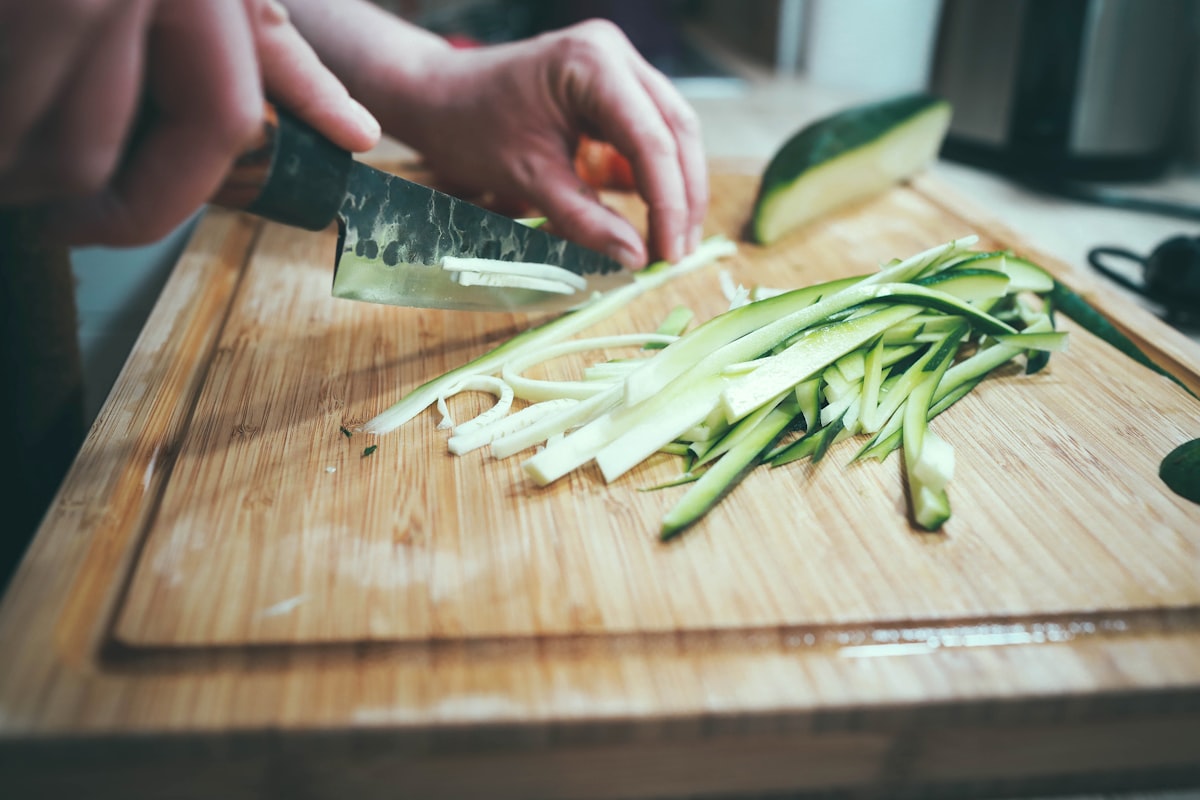
Visual Recipe Inspiration
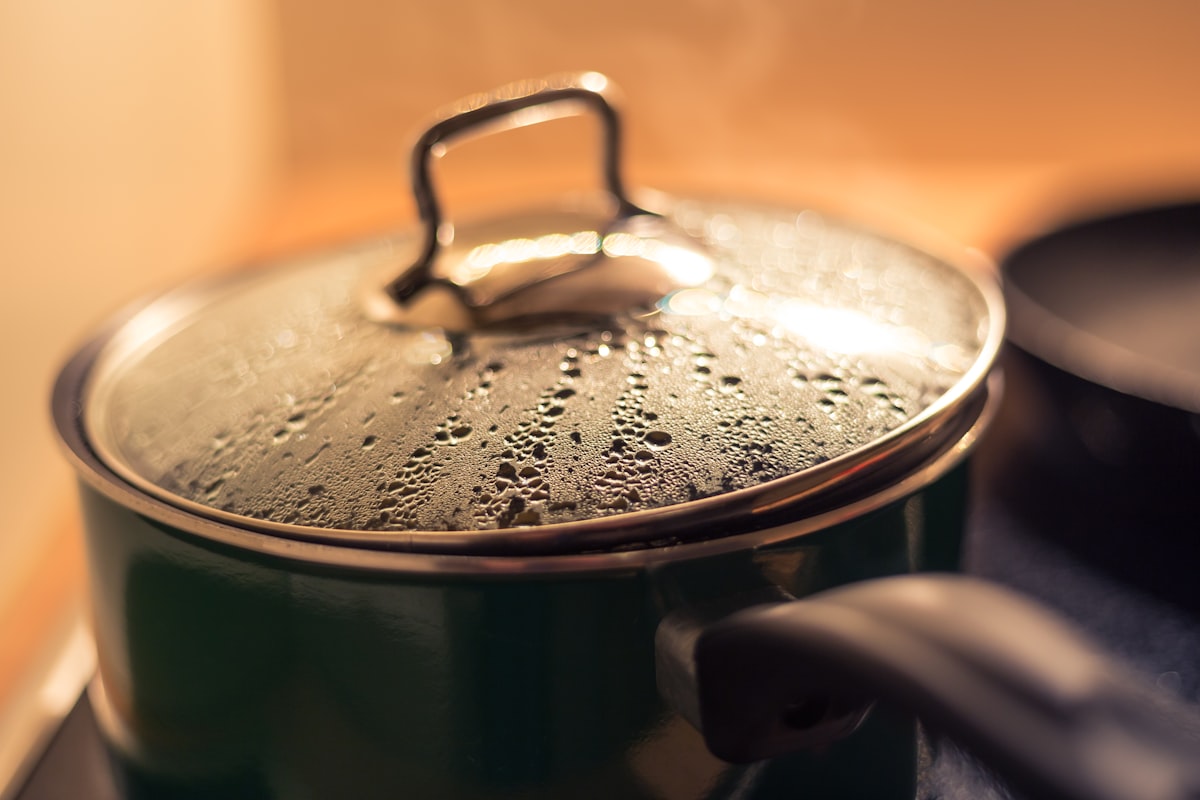
Grilled Mediterranean Vegetables
Discover how gentle grilling brings out natural sweetness in summer vegetables without charring.
Steamed Fish with Fresh Herbs
Learn how steaming locks in moisture and delicate flavors while keeping fish tender and flaky.
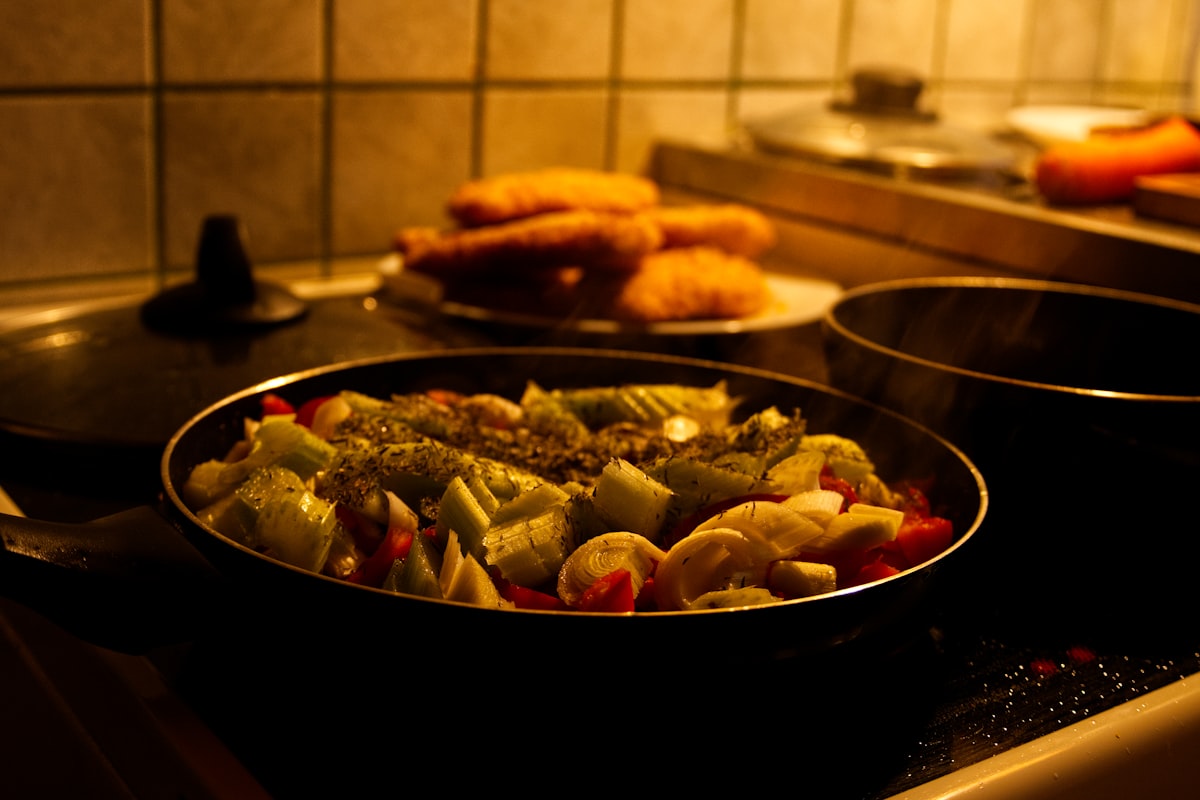
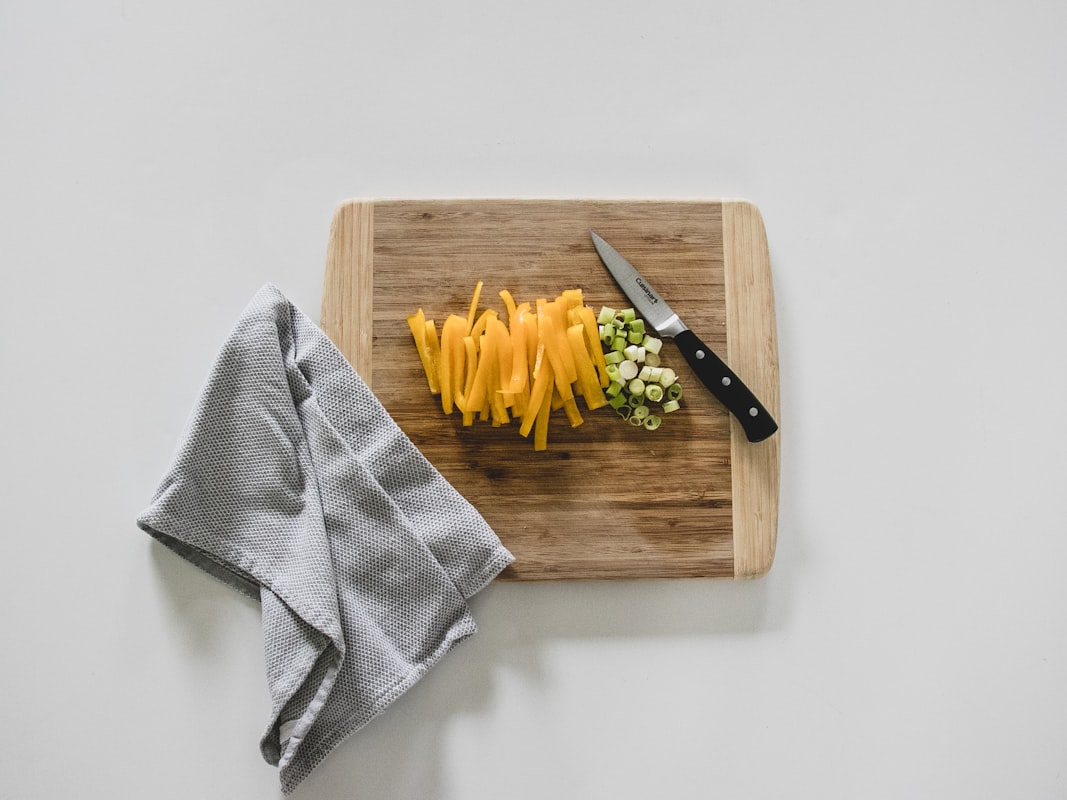
Quick Stir-Fried Noodle Bowl
Master the high-heat stir-fry technique to maintain crunch and nutritional value in seconds.
Oven-Roasted Root Vegetables
Explore slow-roasting methods that caramelize vegetables naturally for deep, complex flavors.
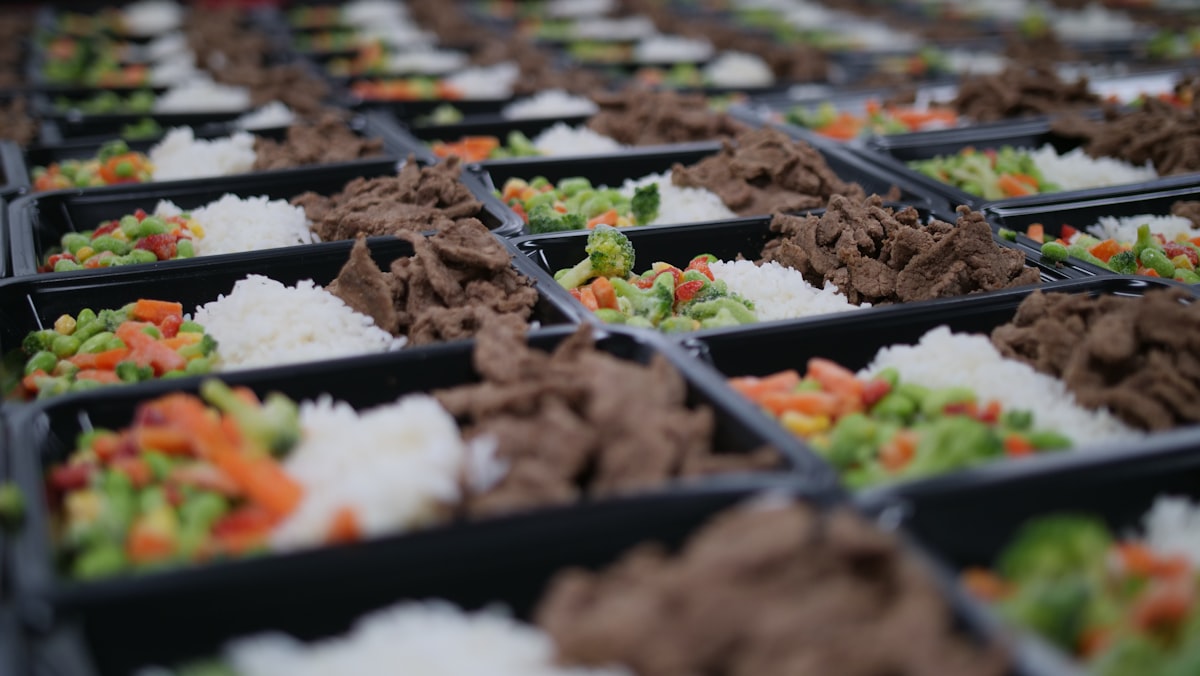
Crispy Air-Fried Tofu
Achieve restaurant-quality crispiness with air frying—a modern method using minimal oil.
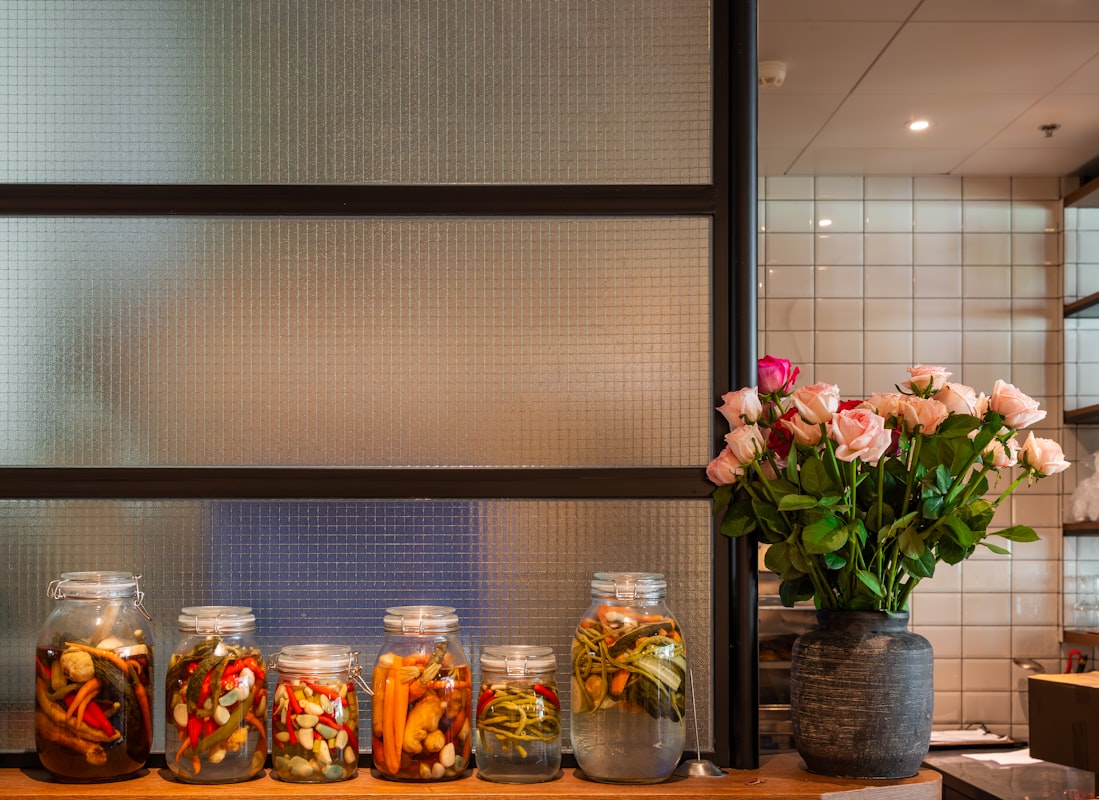
Slow-Cooked Lentil Stew
Learn how long, gentle simmering develops flavors and makes plant-based meals incredibly satisfying.
5-Step Air Fryer Mastery Guide
Understand Your Air Fryer's Hot Spots
Every air fryer has zones of varying heat intensity. Spend your first session mapping the temperature gradients by cooking a test batch of vegetables or frozen fries. This knowledge helps you position ingredients strategically for even cooking and prevents burnt edges on delicate foods.
Use Minimal Oil—But Use It Strategically
While air fryers excel at achieving crispiness with less oil than traditional frying, a light coating of high-heat oil (like avocado or coconut oil) improves browning and flavor development. A spray bottle gives you precise control over distribution without oversaturating food.
Master the Shake and Check Technique
Halfway through cooking, stop and shake the basket or flip ingredients. This simple step ensures uniform heat exposure and prevents items from sticking to the basket. It's the secret behind perfectly golden results without constant attention.
Preheat for Precision
Set your air fryer to the target temperature and allow it to preheat for 3–5 minutes. Preheating ensures consistent cooking times and better browning on the exterior while maintaining juiciness inside. This step is especially crucial for proteins and battered foods.
Build Your Personal Temperature Reference Guide
Keep notes on cooking times and temperatures for your favorite ingredients. After a few trials, you'll develop confidence and intuition. Document results for chicken breasts, fish fillets, root vegetables, and legumes—this personalized guide becomes invaluable for meal planning and recipe adaptation.
Common Cooking Questions Answered
Can I use steel cookware with non-stick surfaces safely?
Yes, as long as your cookware is specifically designed with durable non-stick coatings. Modern ceramic and PTFE-based non-stick surfaces are safe when used correctly. Avoid extremely high heat, never use metal utensils on the coated surface, and replace cookware if the coating shows signs of peeling or flaking. Stainless steel and cast iron alternatives require seasoning but offer superior durability.
Does steaming really preserve more nutrients than boiling?
Absolutely. Steaming cooks vegetables without immersing them in water, preventing water-soluble vitamins from leaching away. Studies show steamed broccoli retains 30–40% more vitamin C than boiled versions. The trade-off: steaming takes slightly longer than boiling, but the nutritional benefit is substantial and worth the extra minutes.
What's the difference between air frying and deep frying nutritionally?
Air frying circulates hot air around food to create crispiness with 75–90% less oil than deep frying. This dramatically reduces overall fat and calorie content while maintaining texture. The main trade-off: deep fryers achieve slightly more uniform crispness, but for daily cooking, air frying offers an excellent balance of health and convenience.
How do I prevent vegetables from becoming mushy when sautéing?
Cook vegetables in this order: start with harder vegetables (carrots, beets) for 2–3 minutes before adding medium vegetables (zucchini, mushrooms) and finally soft vegetables (leafy greens, tomatoes). Cut pieces uniformly and maintain medium-high heat to cook them quickly without prolonged heat exposure. Stirring frequently ensures even cooking and prevents breakdown.
Is pressure cooking safe for all types of ingredients?
Modern electric pressure cookers are very safe and versatile. They work wonderfully for legumes, grains, tough cuts of meat, and fibrous vegetables. Avoid pressure-cooking very delicate foods like thin fish fillets or leafy greens, which can turn mushy. Always follow your device's manual for food types, liquid ratios, and cooking times.
What's the best way to slow-cook without drying out ingredients?
Slow cooking relies on surrounding ingredients with liquid—broth, sauce, or juice—that prevents drying. Keep the lid closed to trap steam. Most recipes benefit from browning ingredients first to develop deeper flavors. Cook on low for 6–8 hours rather than high for 3–4 hours; slower cooking allows collagen to transform into gelatin, making tougher cuts tender and flavorful.
Essential Healthy Cooking Methods
Steaming
Cook ingredients suspended above boiling water without direct liquid contact. This method preserves vitamins, maintains texture, and requires no added oil.
Best for: vegetables, fish, dumplings, grains
Time: 5–15 minutes
Equipment: bamboo steamer, metal steamer basket, or specialized steamer
Stir-Frying
Rapidly cook bite-sized ingredients over high heat in minimal oil, keeping them crispy and nutritious. Fast, flavorful, and highly adaptable.
Best for: vegetables, proteins, noodles, rice
Time: 5–10 minutes
Equipment: wok or large skillet, high-heat oil
Air Frying
Circulate superheated air around food to achieve crispiness with 75–90% less oil than traditional frying. Modern, efficient, and versatile.
Best for: vegetables, tofu, chicken, frozen items, chips
Time: 8–20 minutes
Equipment: electric air fryer, spray bottle for oil
Grilling & Broiling
Use direct or indirect radiant heat to cook food with minimal added fat. Perfect for vegetables, proteins, and fruits—creates appealing char marks and depth.
Best for: vegetables, fish, poultry, lean meats
Time: 5–15 minutes
Equipment: outdoor grill or indoor broiler
Slow Cooking
Cook ingredients at low temperatures over extended periods. Transforms tougher cuts into tender, flavorful meals while developing rich, complex tastes.
Best for: legumes, tough meat cuts, stews, soups
Time: 4–8 hours
Equipment: slow cooker or Dutch oven
Pressure Cooking
Cook food rapidly under steam pressure, reducing cooking times by up to 70%. Ideal for batch cooking and weeknight meals without sacrificing nutrition.
Best for: beans, whole grains, root vegetables, tough meats
Time: 3–30 minutes (varies by ingredient)
Equipment: electric or stovetop pressure cooker
Real Stories from Home Chefs
"I switched to steaming my vegetables three years ago, and it completely changed how my family eats. My kids actually ask for seconds now. The difference in taste and texture is remarkable, and I love knowing I'm preserving all those nutrients. Your guides made it so simple—I felt confident right away."
Sarah Mueller
Berlin
" "Organic Recipe Mastery transformed the way I cook at home. The recipes are simple, healthy, and absolutely delicious!"
Sarah Mitchell
New York
"I've never felt more confident in the kitchen. Every recipe comes with detailed instructions and nutritional info. Highly recommended!"
James Peterson
London
Ready to Master Organic Cooking?
Join thousands of home cooks discovering simple, delicious, and nutritious organic recipes.
Frequently Asked Questions
Organic Recipe Mastery
Discover the art of organic cooking with recipes that nourish your body and soul.
Quick Links
Support
© 2024 Organic Recipe Mastery – USt-IdNr.: DE182515689. All rights reserved. | Crafted with for healthy living.